Semesta
An advanced native Android application showcasing modern UI patterns, modular architecture, and robust state management.
A closer look
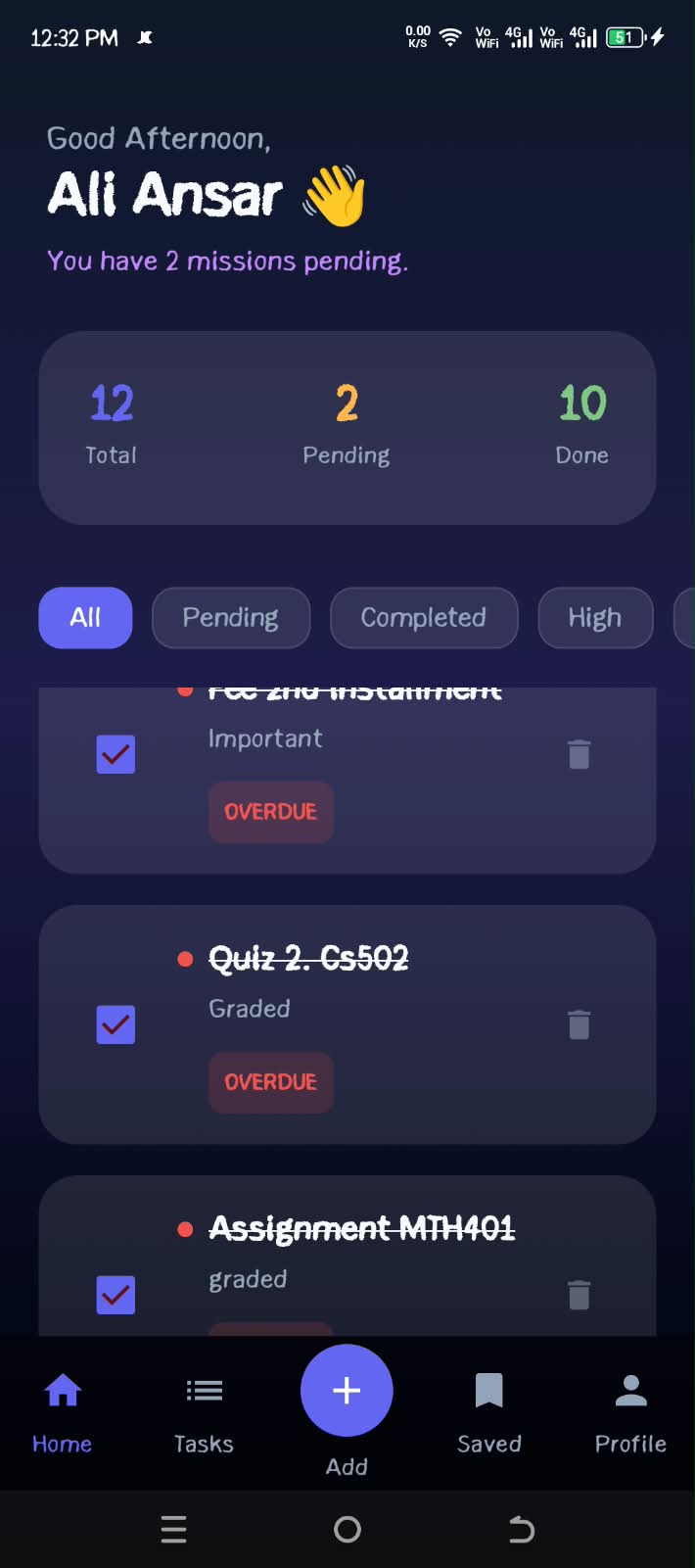
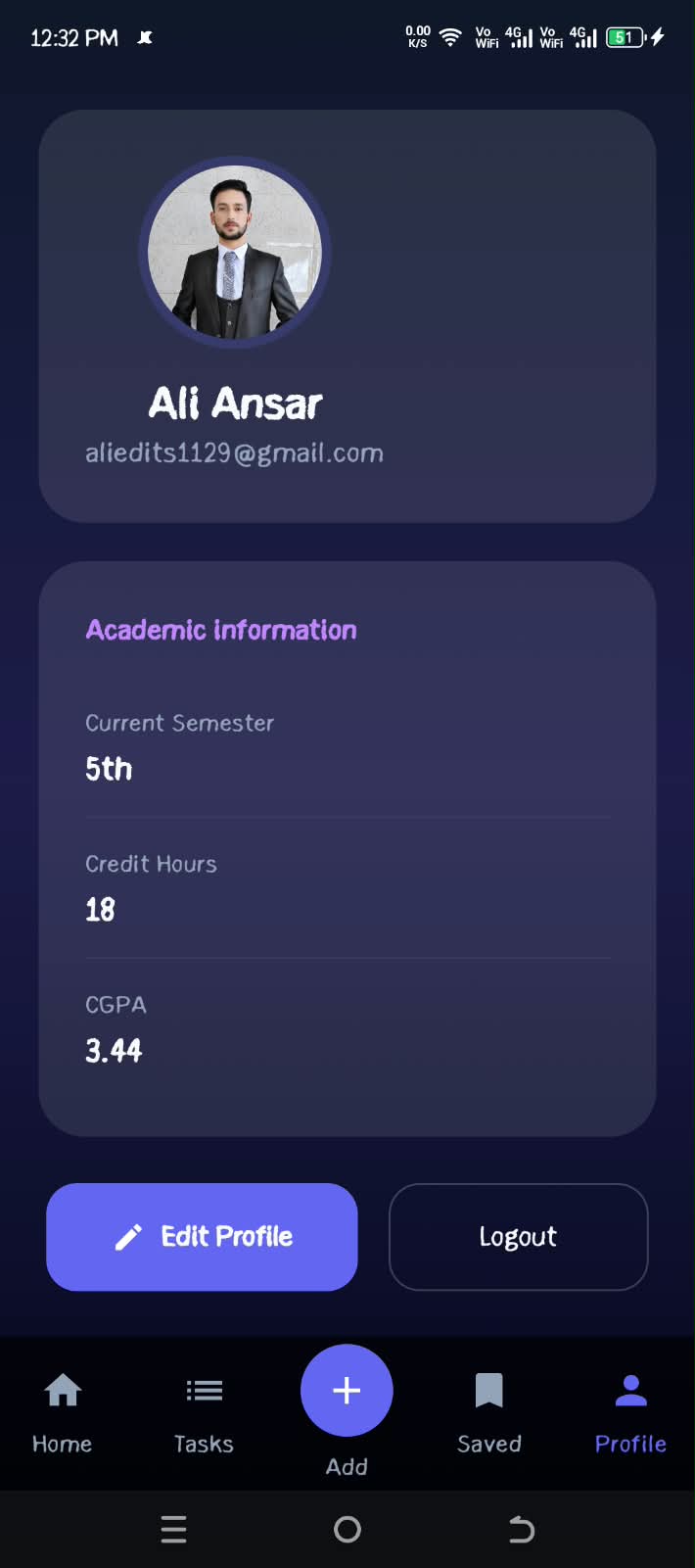
Overview
Semesta is a modern native Android application built to explore polished UI patterns, modular architecture, and predictable state management. The project focuses on delivering a smooth, responsive experience while keeping the underlying codebase organized for future growth.
The Challenge
The goal was to create an application that feels fluid and intuitive without sacrificing maintainability. That meant balancing responsive layouts and smooth interactions with a clear separation between UI, business logic, and reusable application features.
- Designing a consistent modern interface across screens
- Managing state predictably through lifecycle changes
- Structuring the project so features can grow independently
The Solution
Semesta uses a structured Android architecture built around reusable Compose components, state-driven UI, and clear module boundaries. This approach keeps presentation concerns focused while allowing application logic and shared utilities to evolve independently.
Architecture & Technical Design
UI Toolkit
Built fully with Jetpack Compose, utilizing custom layout modifiers, dynamic state hoisting, and Material Design components.
Application Architecture
Uses MVVM and Clean Architecture principles to separate presentation, domain logic, and data responsibilities for easier testing and maintenance.
Key Features
- Responsive UI: Layouts adapt cleanly across different screen sizes and device configurations.
- Reusable Components: Shared Compose components keep visual patterns consistent throughout the application.
- State-Driven Experience: Kotlin Coroutines and StateFlow provide predictable updates and smooth interactions.
- Modular Structure: Feature logic and core utilities remain separated for long-term maintainability.
Challenges & Learnings
- Declarative UI Patterns: Learned how to model complex interactions with Compose state and side-effects.
- Architecture Before Screens: Designing boundaries early made individual features easier to implement and extend.
- Performance Awareness: Reducing unnecessary recompositions helped maintain smooth rendering on lower-end devices.
Outcome
Semesta resulted in a polished Android experience with a maintainable foundation for future features. The project strengthened practical experience with Kotlin, Jetpack Compose, modular design, and scalable application architecture.
Role: Android Developer
Focus: Kotlin • Jetpack Compose • UI/UX • Architecture • State Management